

Commentary
Camille Ammoun
{
  "authors": [
    "Camille Ammoun"
  ],
  "type": "commentary",
  "centerAffiliationAll": "",
  "centers": [
    "Carnegie Endowment for International Peace",
    "Malcolm H. Kerr Carnegie Middle East Center"
  ],
  "englishNewsletterAll": "",
  "nonEnglishNewsletterAll": "",
  "primaryCenter": "Malcolm H. Kerr Carnegie Middle East Center",
  "programAffiliation": "",
  "projects": [
    "The Climate Crisis, Resilience, and Displacement in the Middle East and North Africa"
  ],
  "topics": [
    "Climate Change"
  ]
}
Source: iStock
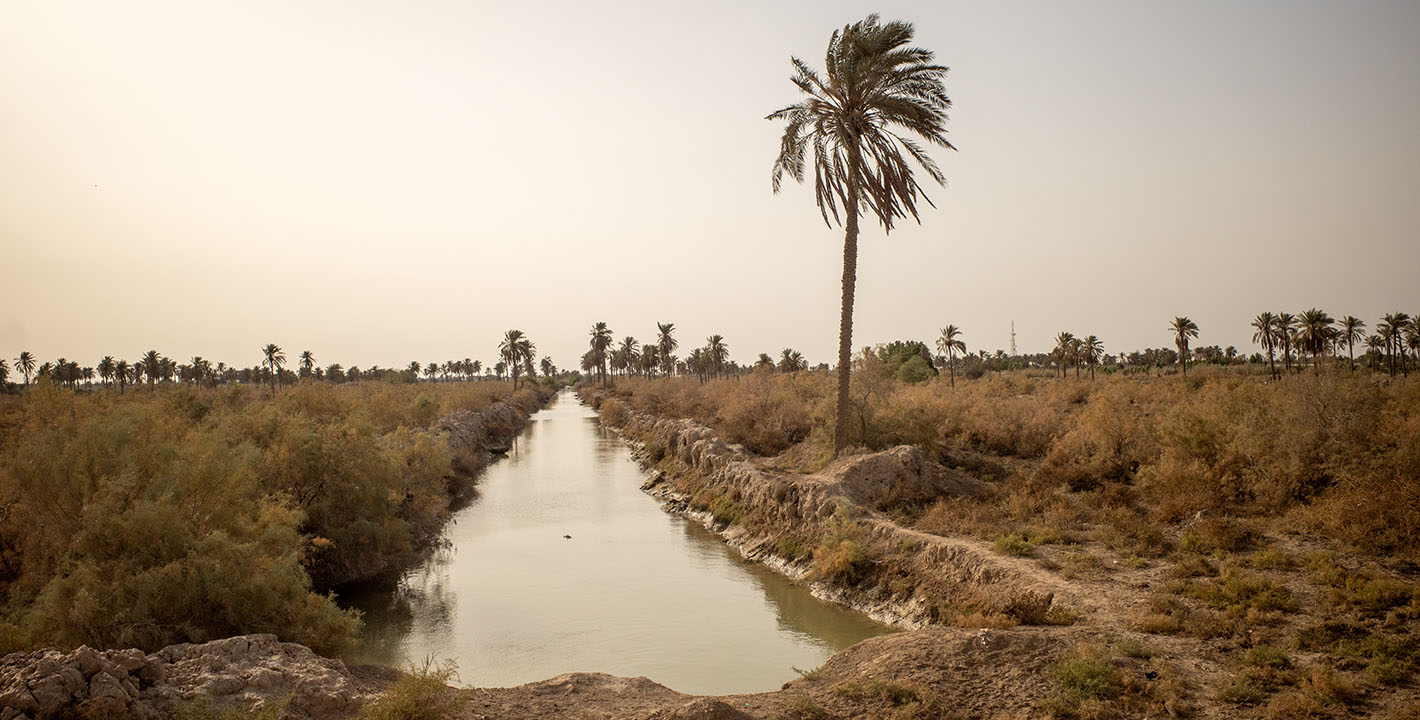
Across the Middle East and North Africa, climate stress interacts with economic fragility, governance failures, social marginalization, and conflict.
Climate change does not occur in isolation. Across the Middle East and North Africa, climate stress interacts with economic fragility, governance failures, social marginalization, and conflict. This dynamic constitutes a convergence trap, or a condition in which interlocking crises reinforce one another in ways that steadily diminish people’s options when it comes to adapting locally, moving safely, or remaining in place with dignity.
Because decisions involving mobility emerge from this convergence, the relationship between climate change and human displacement remains conceptually and legally unresolved. From voluntary to forced migration, the climate-induced movement of individuals and groups unfolds along a continuum. For some communities, it takes the form of fragmentation within the same general geographic area, seasonal migration to areas farther afield, or permanent relocation—whether within or across national borders.
For others, it produces the opposite condition: the inability to leave. That is, the often-overlooked condition of forced immobility. These communities are the most vulnerable, as they find themselves trapped in deteriorating environments, cut off from adequate public services, and excluded from effectual policy responses. Immobility becomes the handmaiden of economic decline and subsistence living.
Climate impacts can therefore be central or marginal, dramatic or subtle. They can displace communities or trap them in immobility and push them down the socioeconomic ladder. For these reasons, there is no legally recognized status, or any widely accepted definition, of what is often called a climate refugee.
This compendium examines the convergence trap of climate change through studies of five communities across the Middle East and North Africa: the Ait Khabbash in southeastern Morocco; Bedouin communities in Deir al-Kahf in northeastern Jordan; the Bidun in Kuwait; Afro-Iraqis in southern Iraq; and Kabyle farmers in Algeria’s Oued Sahel-Soummam Valley. These cases are illustrative of a broader regional condition in which climate-wrought change is filtered through histories of marginalization, uneven state formation, exclusionary governance, and constrained mobility.
Yasmine Zarhloule and Ella Williams capture the trajectory of the Ait Khabbash through what they term intersecting vulnerabilities. Historically a nomadic pastoralist community in southeastern Morocco, the Ait Khabbash long structured their livelihoods around oasis agriculture, movement, and grazing their flocks across the border with Algeria. But this mobility has been progressively constrained by overlapping political and environmental pressures. Colonial territorial control, later reinforced by post-independence border securitization and recurrent closures between Morocco and Algeria, restricted access to grazing lands and severed older patterns of circulation. Concurrently, recurrent droughts, groundwater over-extraction, and large-scale hydraulic infrastructure have degraded oasis ecosystems.
Armenak Tokmajyan and Laith Qerbaa show how Bedouin communities in Deir al-Kahf have faced a comparable layering of constraints. Initially well-integrated into the nascent Jordanian state through sedentarization, military service, public-sector employment, and agricultural schemes, these communities saw their mobility curtailed by the growing consolidation of the Syrian-Jordanian border, which increasingly confined them within a single national framework and disrupted older grazing routes. Border controls were further tightened following Syrian-Jordanian hostilities and the Jordanian army’s clashes with Palestinian groups at the beginning of the 1970s. More recently, this legacy has converged with declining public-sector opportunities, the rise of capital-intensive development favoring external investors, and growing climate stress, particularly rising temperatures and reduced rainfall.
Courtney Freer highlights a different form of marginalization among the Bidun in Kuwait. A large population of lifelong yet stateless residents, the Bidun embody an urban and legal vulnerability in which climate exposure intersects with administrative exclusion. In a wealthy rentier state increasingly exposed to extreme heat, electricity shortages, and infrastructure stress, their lack of citizenship limits their access to rights, services, secure housing, and political representation. Their case is less about displacement in the conventional sense than about internal exclusion: a condition in which people remain physically present but politically and administratively invisible.
Zeinab Shuker examines Afro-Iraqis in southern Iraq through a similar lens. For this historically marginalized community, climate change operates as a threat multiplier, compounding a long history of racial and socioeconomic exclusion rooted in slavery and sustained by social stigma, underrepresentation, and limited access to resources. Concentrated in low-income occupations that are often looked down upon, and frequently lacking the networks and capital needed to move or adapt, Afro-Iraqis are disproportionately exposed to rising temperatures, deteriorating water quality, pollution, and the wider environmental crisis affecting Basra and southern Iraq.
Ilyssa Yahmi examines Kabyle farmers in Algeria’s Oued Sahel-Soummam Valley through the lens of mutually reinforcing cycles of adaptation and degradation. What she terms the adaptation paradox captures how responses to climate stress, shaped by institutional failures and market pressures, can accelerate the very environmental degradation they seek to manage. In this case, the overuse of water reflects the weakness of mechanisms to share resources in times of scarcity: individual incentives to secure short-term survival undermine collective sustainability. Adaptation and degradation therefore feed into one another, intensifying ecological stress, weakening rural livelihoods, and fragmenting social life.
Taken together, these five cases show that human mobility, and immobility, cannot be understood through climate variables alone. The dynamics at play are sharpest where vulnerability is layered upon marginalization. Among the Ait Khabbash in Morocco, women bear the heaviest burden of environmental change, as the erosion of nomadic life intensifies labor, isolation, and social fragmentation. In Yemen, the Muhammasheen, literally “the marginalized,” embody a long-term exclusion in which stigma, legal invisibility, conflict, and environmental exposure intertwine, trapping communities in deprivation that predates climate stress but is deepened by it. Around Lake Qaraoun in Lebanon, drought, pollution, economic collapse, governance failures, and conflict all reinforce one another, narrowing avenues for both adaptation and safe mobility.
The world’s most vulnerable communities, marginalized and sometimes muzzled, may not describe their condition as part of a global polycrisis. Yet that is what it is. These communities live at the sharp edge of the convergence trap, which has climate change at its core. It reaches them through failed harvests, degraded ecosystems, rising food prices, closed borders, economic fragility, governance failures, social marginalization, geopolitical tensions, and conflict. The overheating of the planet is entangled with each of these pressures, reshaping livelihoods, depleting shared resources, deepening inequalities, and driving both displacement and forced immobility.
The main policy challenge stemming from all these situations is to alleviate the effects of the convergence of pressures making displacement more likely, adaptation less viable, and immobility more dangerous. This requires moving beyond sectoral approaches that treat water, agriculture, migration, urban planning, social protection, citizenship, and climate adaptation as separate policy domains. It also requires recognizing that mobility itself is not always a failure. Ultimately, migration can be a form of adaptation—so long as it is safe, voluntary, and supported.
This introduction is part of The Convergence Trap: Climate, Governance, and Displacement in Vulnerable Communities Across the Middle East and North Africa, a compendium of articles and case studies published under this project. The full compendium can be accessed here.
This work is licensed under a Creative Commons Attribution 4.0 International License.
For more details regarding the license deed, please visit: CC BY 4.0 Deed | Attribution 4.0 International | Creative Commons.
Nonresident Scholar , Malcolm H. Kerr Carnegie Middle East Center
Camille Ammoun is a nonresident scholar at the Malcolm H. Kerr Carnegie Middle East Center. His research focuses on climate change, political economy, and urban development.
Recent Work
Camille Ammoun
Camille Ammoun
Carnegie does not take institutional positions on public policy issues; the views represented herein are those of the author(s) and do not necessarily reflect the views of Carnegie, its staff, or its trustees.
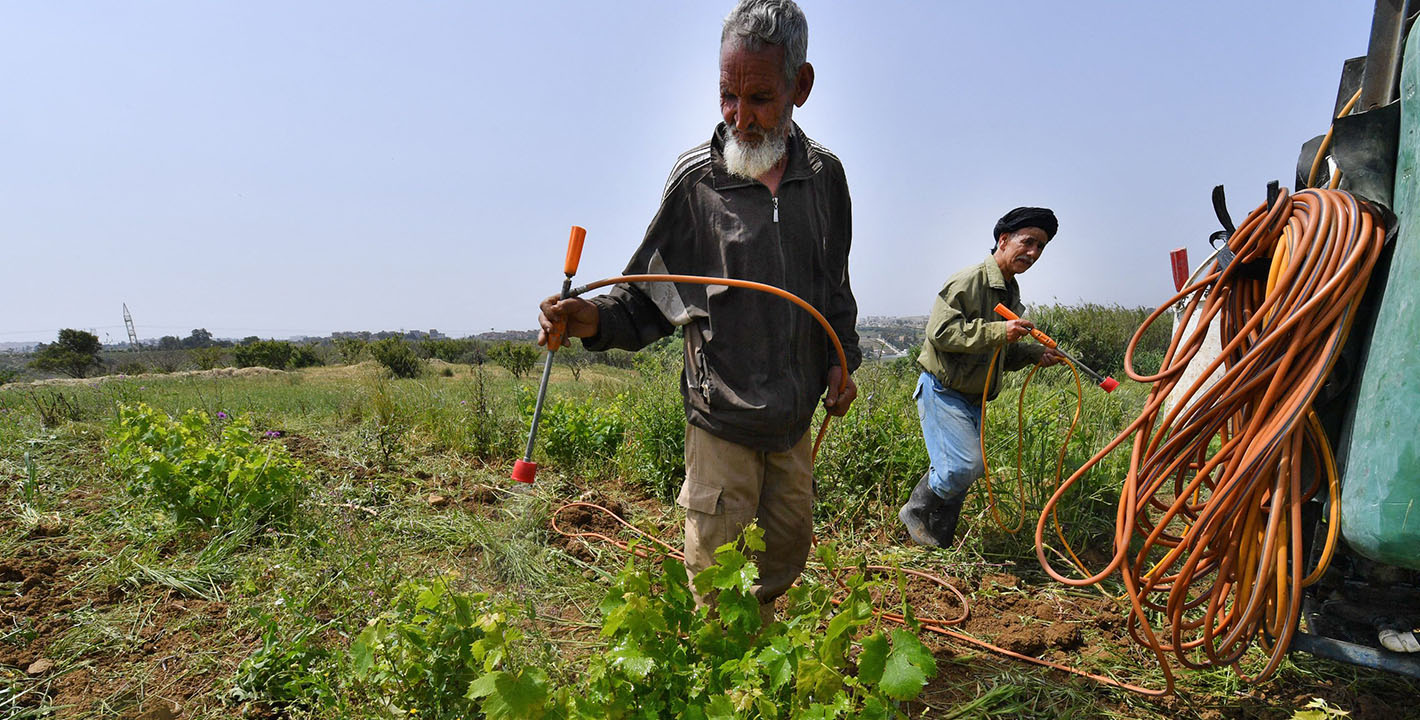
Understanding how farmers in the Oued Sahel-Soummam Valley grapple with climate change is essential for addressing the paradoxes through which adaptation, operating at both individual and institutional levels, deepens the region’s vulnerability and erodes the social fabric and agrarian identity that once defined life.

Ilyssa Yahmi
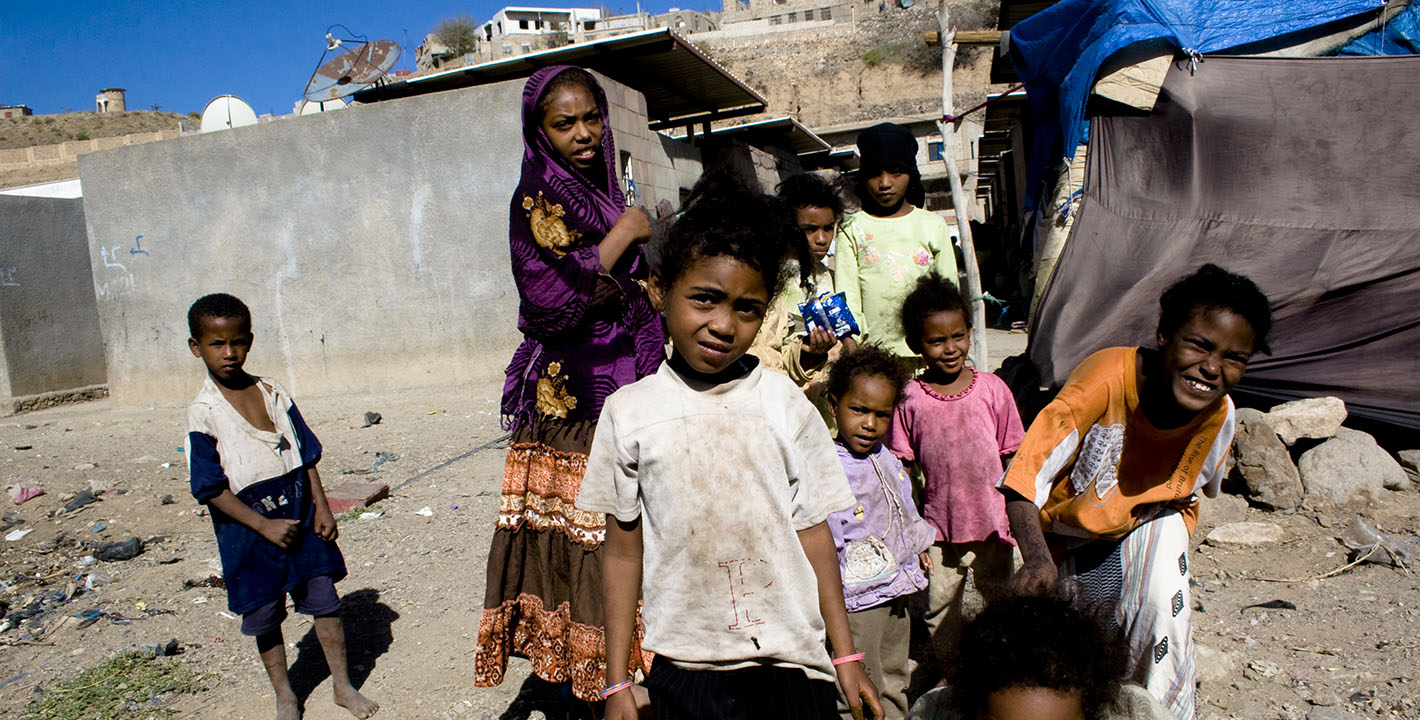
The community already suffers social discrimination, so addressing inequalities requires sustained interventions.
Musaed Aklan , Mohammad Al-Saidi
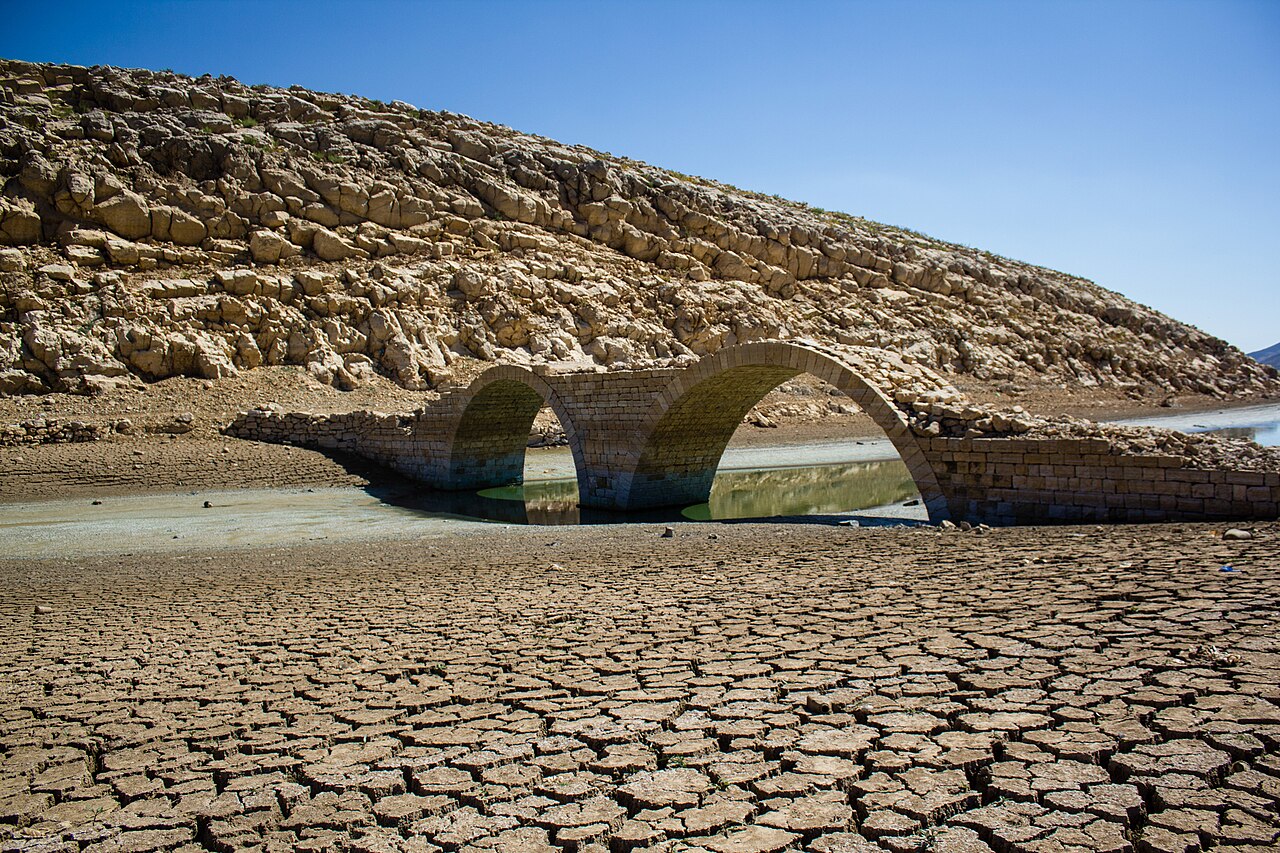
Lebanon’s largest water reservoir is a house of many mansions when it comes to converging failures.
Camille Ammoun
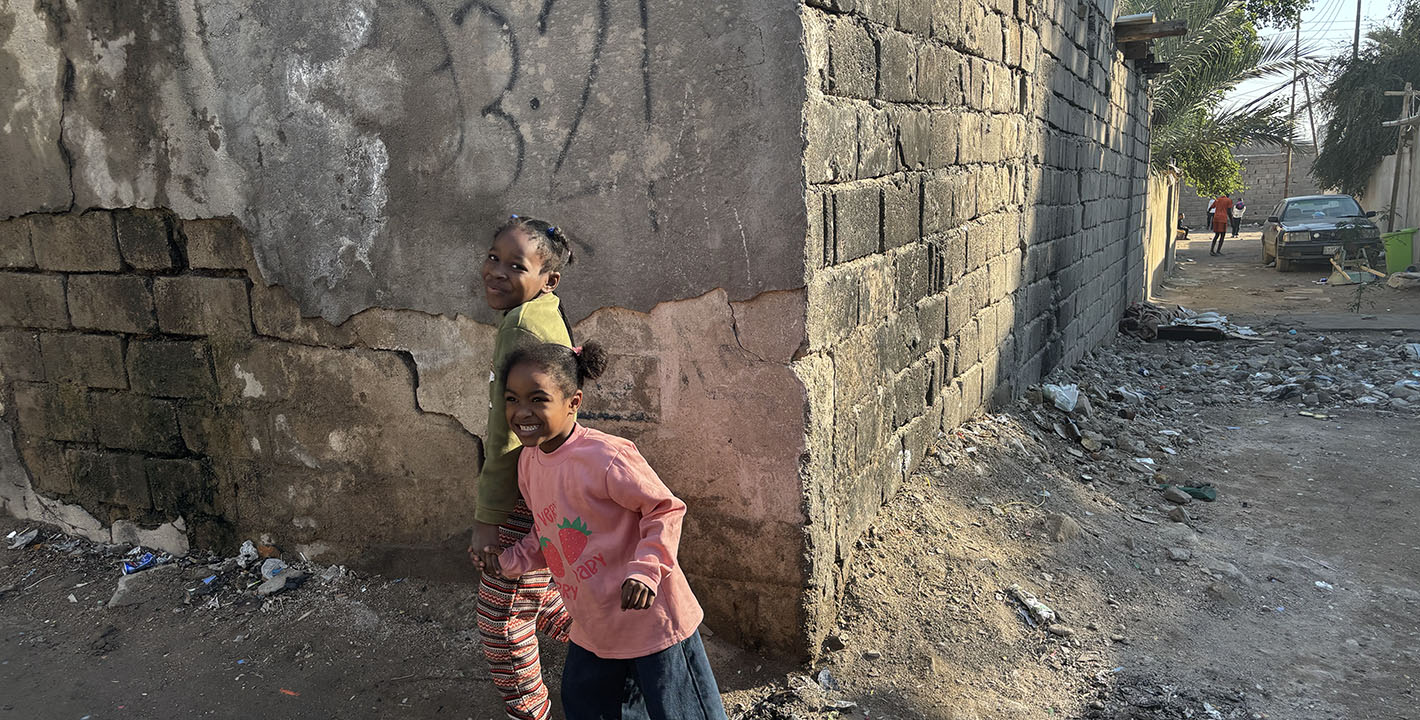
Afro-Iraqis experience political, economic, and social marginalization and discrimination, which exposes the poorest members of the community to the harsh realities of the region’s climate disaster.

Zeinab Shuker
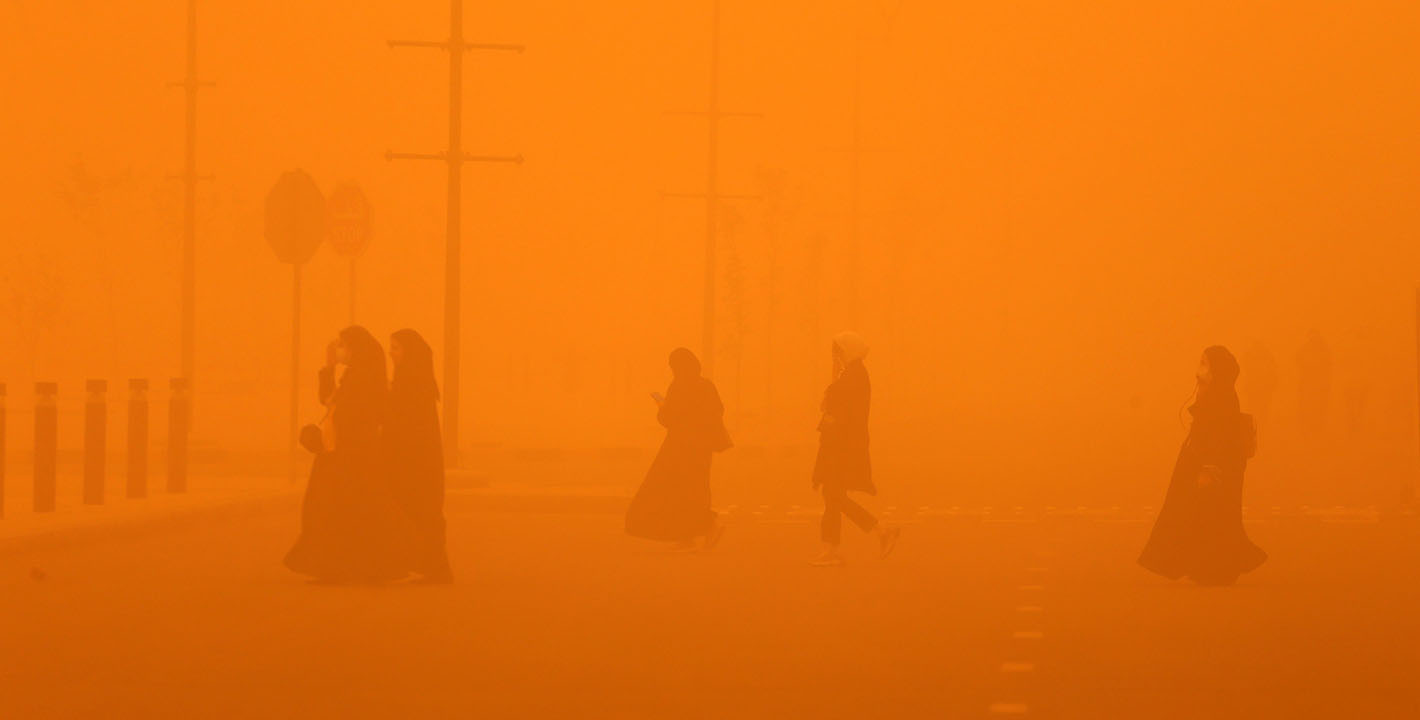
Mitigating the repercussions of climate change in Kuwait is crucial for lessening economic disparities and achieving social justice.

Courtney Freer